


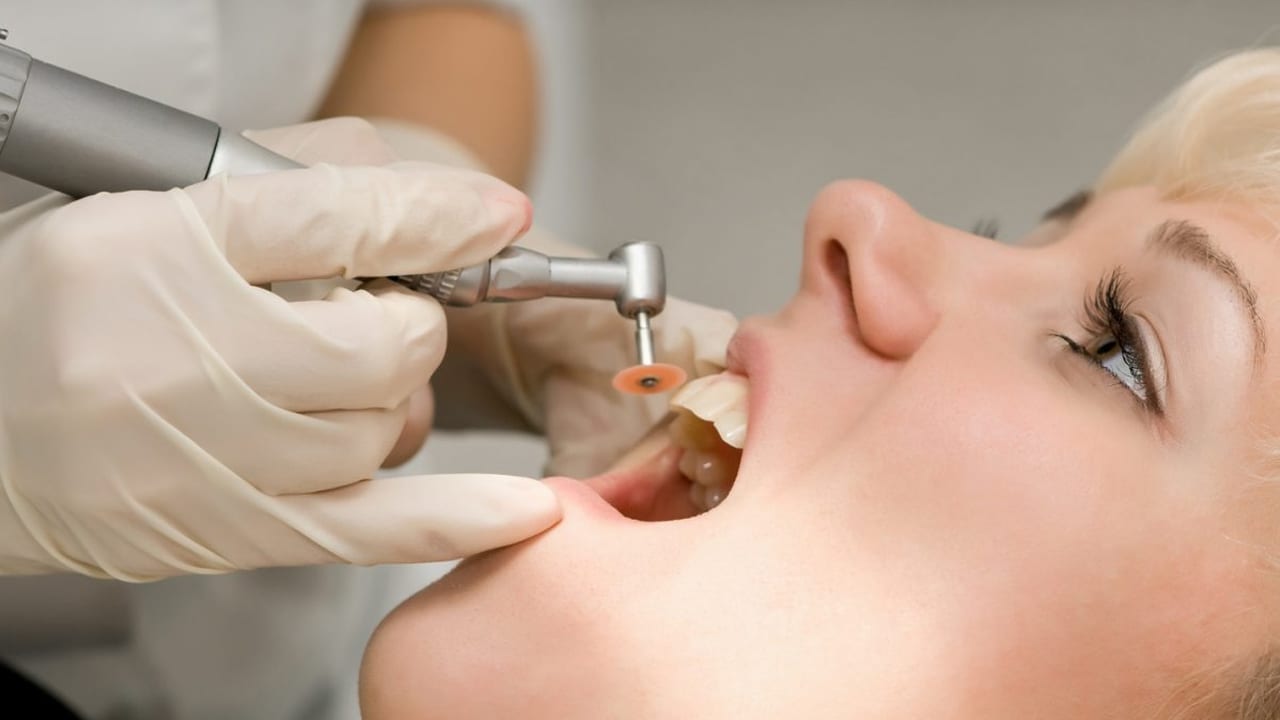
What is dental stone?
Dental plaque, also known as tartar, is composed of minerals from saliva and plaque that accumulates on the teeth. People need regular dental cleanings every six months; otherwise, the risk of developing gingivitis and periodontal disease increases.
What are the effects of dental tartar on diseases?
Dental calculus, or tartar, is most commonly found on the front teeth of the lower jaw and the cheek-facing sides of the upper first molars. This is because the salivary glands and parotid glands are located in these areas. If dental tartar removal (detartration) is not performed, it can lead to gum recession and, in more advanced cases, jawbone loss, causing teeth to loosen or fall out.
Which department deals with dental scaling?
Patients who wish to have their teeth cleaned of tartar can receive treatment at the periodontology department of dentistry.
Does tartar removal cause harm?
Due to common misconceptions, many of us believe that tartar removal will damage our teeth, but tartar removal never harms your teeth. Tartar removal targets areas and tissues where tartar is concentrated. If left untreated and allowed to progress further, it can lead to tooth loss.
What is the treatment for gum disease?
In the early stages of gum disease, specifically gingivitis, treatment involves removing tartar and bacterial plaque, and smoothing the root surface. Removing tartar and plaque also removes the bacteria that cause gum disease. This treatment is usually sufficient to eliminate inflammation and allow the gum tissue to reattach to the tooth. Additionally, the patient should be informed about the importance of controlling the bacterial plaque that causes inflammation.
If your disease has progressed to the stage of periodontitis, the goal of treatment changes. The aim is to remove tartar from the periodontal surfaces, eliminate the periodontal pocket, create a smooth root surface for the gum to reattach to the tooth, and result in gum tissue that is easier to clean.
Following periodontal treatment, patients need to come for check-ups every 6 months to remove accumulated tartar and plaque. To maintain the health achieved after treatment, individuals must continue with proper dental care routines.
