


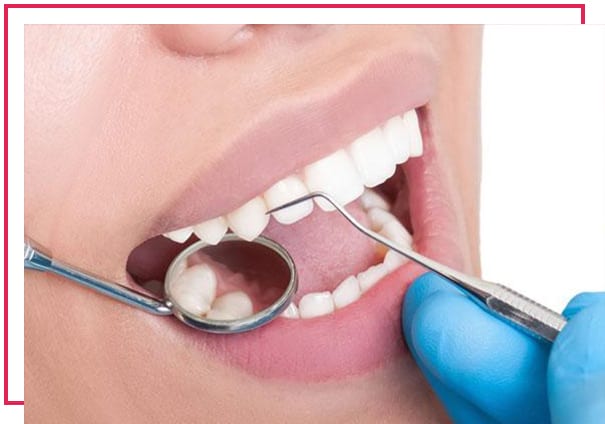
What is periodontology?
Dental health is the main branch of dentistry that examines the clinical and microscopic structure of the hard and soft tissues surrounding the teeth, diagnoses diseases affecting these tissues, applies treatment, and ensures the maintenance of the acquired health.
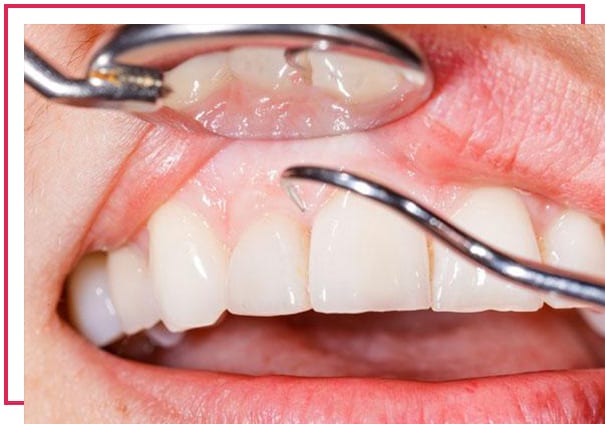
What causes gum disease?
While bacterial plaque is the main cause of periodontal disease, other factors such as smoking, puberty, systemic diseases, diabetes, medications, stress, poor nutrition, pregnancy, and menopause can also affect gum health. Furthermore, care must be taken to ensure that any illnesses or conditions affecting the general body system do not cause complications during dental treatments.

What are the symptoms of gum disease?
- Bleeding gums during brushing,
- Red, swollen, and sensitive gums,
- Gums that easily separate or recede from the teeth,
- Inflammatory discharge between the teeth and gums,
- Loose or progressively separating teeth,
- Changes in the relationship between the upper and lower teeth during biting,
- Changes or deterioration in the fit of partial dentures,
- Persistent bad breath.
However, periodontal disease can progress to advanced stages without showing any symptoms. Therefore, regular visits to the dentist are extremely important.
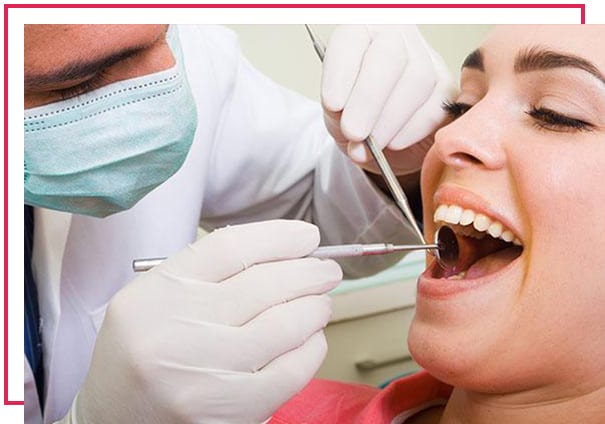
How are gum diseases treated?
By raising awareness and monitoring the continuation of oral and dental hygiene practices,
- Cleaning of accumulated dental and food plaque (Dental Tartar Removal)
- Deep cleaning of gum pockets (Curettage)
- Cleaning, curettage along with medication treatments recommended by the dentist,
In advanced cases of gum recession and bone loss, periodontal surgical procedures (gum surgeries) are performed to prevent and stop their recurrence. Surgical and mechanical treatments can be performed using classical or laser applications. Laser applications have begun to be used in gum disease in recent years.
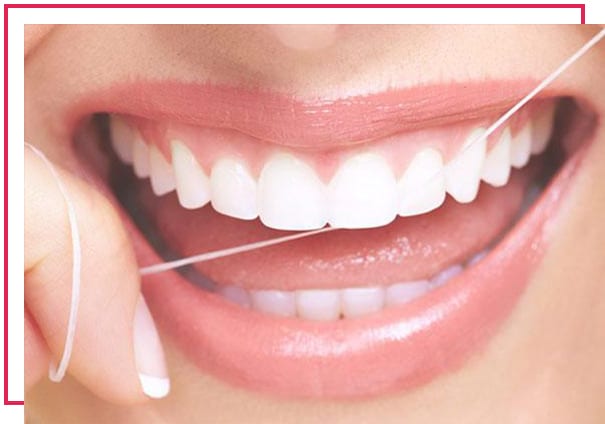
How can gum disease be prevented?
The most important role in preventing periodontal disease lies with the individual. Maintaining oral and dental health requires removing bacterial plaque through daily oral hygiene practices (brushing and flossing). Regular visits to the dentist are equally important.

Bad breath (Halitosis)
Bad breath is generally caused by poor oral hygiene or an oral condition such as advanced gum disease, cavities, or partially impacted wisdom teeth, but it can also be linked to a serious systemic disease requiring diagnosis and treatment. However, it is most often oral in origin. Treatment should be directed at the underlying cause. Bad breath affects a large segment of the population and causes significant social and psychological distress for those affected. Its causes include: [List of possible causes]. Treatment should be carried out by specialist dentists, including oral hygiene education, professional oral cleaning, and especially the treatment of periodontal diseases.
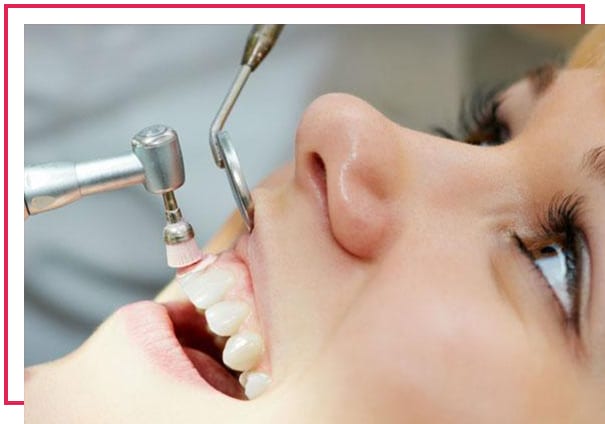
What is dental scaling?
The most important cause of gum disease is tartar, which is caused by a transparent and sticky layer called bacterial dental plaque. Brushing your teeth twice a day can remove this layer from the mouth. However, if effective cleaning is not done, it turns into a hard, semi-permeable, rough substance that adheres to the tooth surface, also known as tartar or dental calculus, due to the effect of saliva. It forms as deposits on the gums and between the teeth. These deposits contain many microbes. This accumulation is called microbial dental plaque. If this plaque is not removed from the oral environment, it calcifies and turns into tartar, which causes gum disease.
Important issues after treatment
- Following the procedure, the patient should not eat or drink anything for 2 hours.
- Hot and cold drinks should be avoided for the first 24 hours.
- It is possible to experience gum irritation and sensitivity to hot and cold for a few days after the cleaning procedure.
- An ice pack can be applied externally to the gums to reduce mild swelling.
- Pain relievers can be used for mild pain felt in the first few days.
- To speed up healing, gargling with a glass of warm water with salt added can be helpful.
- Post-treatment oral hygiene is important. Although oral hygiene may be difficult for the patient immediately after treatment, brushing and flossing should continue. Antiseptic mouthwashes can also be used. Mild bleeding may occur in the first few days.
- Maintaining good oral hygiene is crucial for successful treatment. Neglecting oral hygiene can lead to the same problem becoming more severe.
- After cleaning the deposits that have formed at the base of the teeth, the gaps between the teeth may become noticeable.
- Due to the loss of supporting tissues during the course of the disease, teeth may continue to loosen even after cleaning.
- A check-up with a dentist every six months is necessary.
- During check-ups, the gums should be examined, and if any areas of inflammation are still observed, the cleaning procedure should be repeated.
- After the cleaning procedure, the patient should maintain good oral hygiene while the doctor monitors the patient to minimize the failure rate.
