


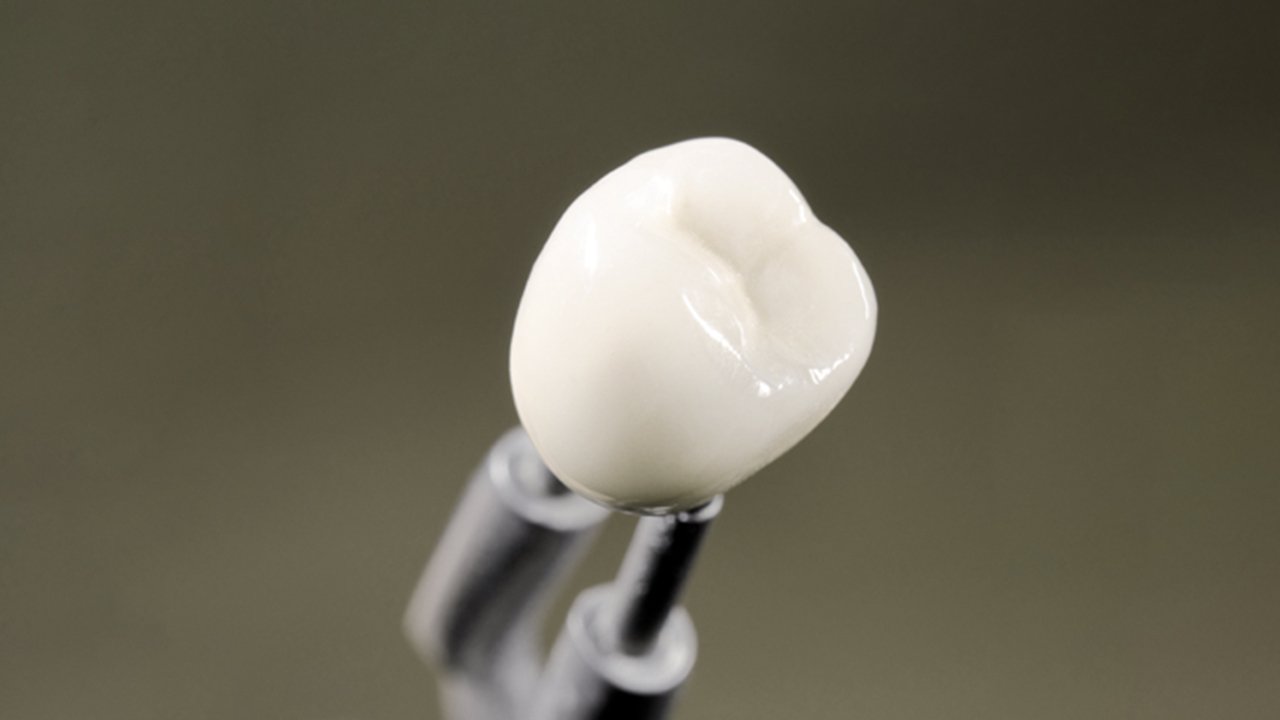
What is zirconium?
Zirconium, also known as zircon or zirconia, is a type of metal discovered in the 18th century. It is used in many different fields, from the aerospace industry to the military. The most important feature that distinguishes zirconium metal from others is its resistance to corrosion, making it a preferred material for durability in many different applications. Because of its white color and translucent nature, it is also used as a substructure material in the dental industry. In the dental sector, zirconium is generally used as a veneer and is known as zirconium crown. It is a very good alternative to the gray metal substructures used in classic porcelain and prostheses, due to its white and translucent nature.
What are zirconium dental crowns?
Zirconium is generally preferred in dental crowns, most often in combination with porcelain. The supports used in dental crowns are divided into two categories: metal and non-metal. For patients seeking a more aesthetically pleasing appearance, zirconium crowns are recommended by dentists as they provide the most realistic result. Since the aesthetic aspect is increased in dental treatments using zirconium substructures, the satisfaction rate is also high. Zirconium, which is white in color and used in dental crowns, is used as zirconia ceramic rather than pure mineral and is processed in a special furnace. Zirconium dental crowns do not contain metal support and provide a more realistic appearance compared to dental crowns with metal support.
Where are zirconium teeth used?
Zirconium teeth are primarily used for aesthetic purposes. They are preferred in cases of severe discoloration where teeth whitening treatments are ineffective, in hereditary discoloration, in diastema (spread or slightly crooked teeth) where orthodontic treatment is not preferred, in restorations of old fillings with discolored and structural damage and excessive tooth structure loss, as bridges or crowns in posterior teeth, in implant-supported prostheses in anterior teeth, and in improving smile aesthetics.
What are the advantages of zirconium?
• Zirconium has light-transmitting properties. It is applied to patients who desire a natural tooth appearance.
• It is the most suitable type of crown for patients with metal allergies.
• The zirconia substance has no harm to the body. It is a tissue-friendly material.
• It can be applied over implants; titanium and zirconium do not show any negative interactions.
• The treatment period is not very long and can be completed within 4-5 days.
• Zirconium is a method that can be applied to any patient whose permanent teeth have fully erupted.
How are zirconium crowns applied?
Zirconium crowns, like regular crowns, are slightly reduced in size, and measurements are taken once the gum tissue is healthy. In the laboratory, a zirconium substructure in a color matching the tooth is prepared, and a porcelain top layer is applied to it. This process is then achieved in the clinic, ensuring a perfect match with the tooth. Finally, they are permanently bonded to the tooth using special adhesives.
Which medical specialty deals with zirconium teeth?
Patients who want to learn more about zirconium dental treatment can consult prosthetic dentists within the dental department.
