



What is oral, dental, and maxillofacial surgery?
The Department of Oral and Maxillofacial Surgery is a department within the clinical sciences of the Faculty of Dentistry. This department specializes in the medical and surgical treatment of congenital and acquired diseases of the soft and hard tissues in the oral, jaw, and facial regions, as well as aesthetic, functional, and phonetic problems caused by infectious, traumatic, and all kinds of pathological conditions.
What treatments does oral, dental, and maxillofacial surgery perform?
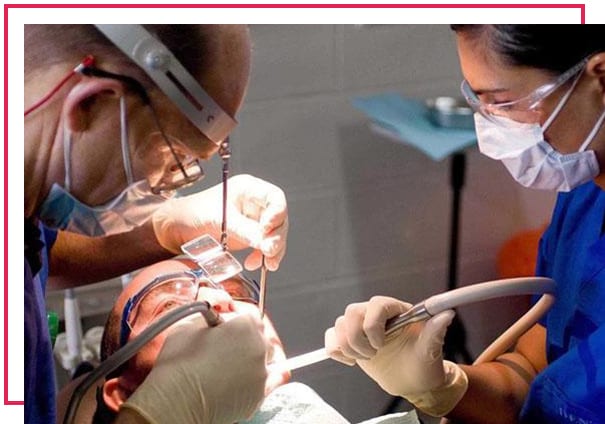
Oral and maxillofacial surgery encompasses many aspects of oral and dental health, including tooth extraction, impacted tooth surgery, implants, jaw fracture treatment, diagnosis and treatment of jaw tumors, abscesses and cysts, and tissue preparation before prosthetic and orthodontic treatment. Medical and aesthetic treatment of all types of hereditary or acquired pathological problems in the jaw, mouth, and facial region are considered within the scope of oral and dental surgery.
What is an implant?
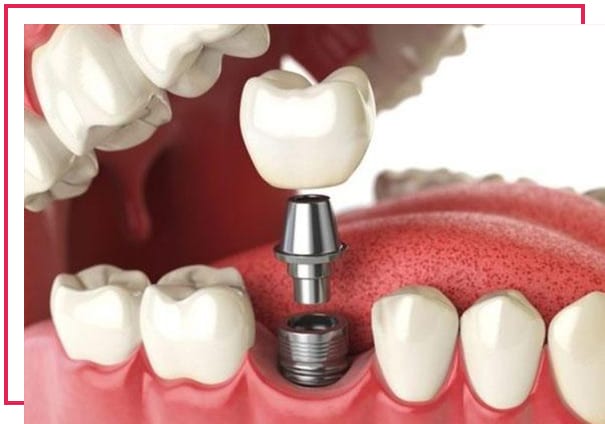
Dental implants are screw- or root-shaped structures made of titanium that are placed inside the jawbone, with the aim of allowing the bone to heal around the implant and accept it as a part of the bone.
How is implant treatment applied?
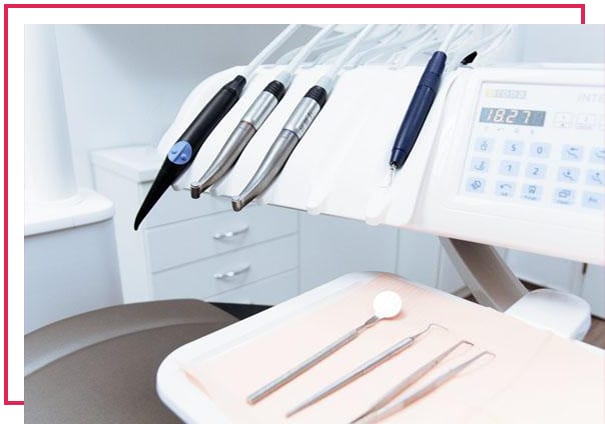
Since implant placement is a surgical procedure, the quality of the materials used and the sterilization and hygiene of the environment are the most important criteria. One week is sufficient for implant treatment. Alternatively, thanks to self-dissolving sutures, treatment can be completed in a single day, but in this case, a temporary prosthesis cannot be made. The first stage of your treatment is implant placement; in the second stage, the implant is expected to fuse with your bone within 3-6 months, and then the porcelain crowns that will go on top of the implant are made within a week. The placement of a single implant takes approximately 10-15 minutes. The time from start to finish of an implant is only 3-4 minutes. The patient feels absolutely no pain during this time due to anesthesia. Numbness wears off within 2-3 hours, and pain medication may be needed for 1-2 days.

What is tooth extraction?
Today, thanks to advancements in science and technology and their contributions to dentistry, the primary goal is to treat and preserve the tooth in the mouth. Tooth extraction is the process of removing a tooth from its socket in the bone.
What is impacted tooth extraction?
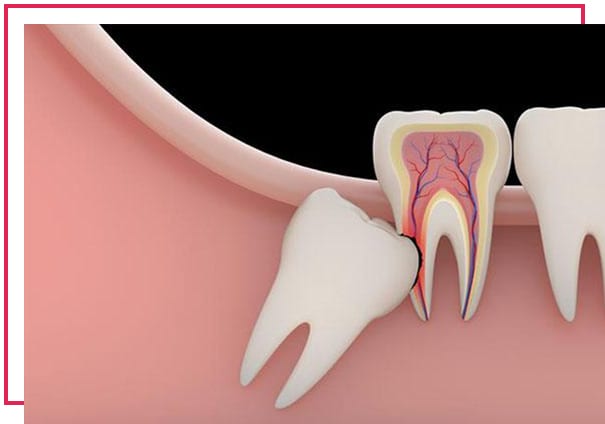
The reason impacted wisdom teeth are problematic is that genetically, there is no longer a need for these teeth, and our jaws are gradually shrinking. As our jaws shrink, wisdom teeth struggle to find space and therefore cannot erupt like other teeth. Wisdom teeth that cannot find space push against the tooth in front, causing crowding. In addition, because they are located so far back and the surrounding gum tissue is not in the normal anatomical structure, they are easily susceptible to inflammation.
