


What is a restorative dental treatment?
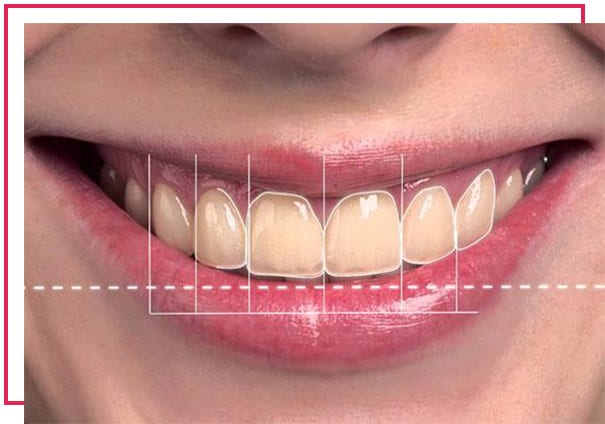
The goal of revision surgery for an aesthetic smile is to develop a harmonious and stable chewing system that encompasses the teeth, gums, lips, muscles, skeletal structure, and joints. In summary, smile design is the provision of an ideal smile through the combined application of medicine and art. The individual’s personal aesthetic expectations are combined with health and naturalness to plan a smile design.
What are the methods used in restorative dental treatment?
Direct or indirect composite applications,
Porcelain aesthetic work,
Aesthetic smile design,
Teeth whitening applications,
Dental whitening procedures,
Vital pulp treatment,
Pre-prosthetic restoration application,
In addition to these, appropriate treatment is determined by considering various methods such as conservative dental treatments applied to elderly (Geriatric) and oncology patient groups, preventive treatment applications for adults, and the results of evaluating the patient’s age, individual issues, and oral and dental examination findings.

What is aesthetic smile design?
The aim of smile design is to achieve aesthetics with minimal tooth preparation, using a as conservative approach as possible, in contrast to the past. The smile we create must not only be aesthetically appealing but also functionally ideal.
What is a laminated veneer?
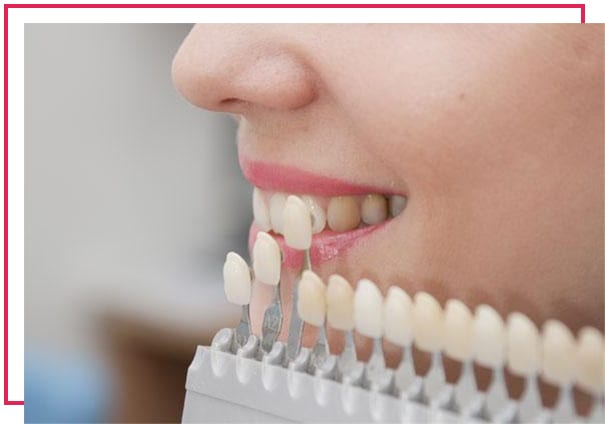
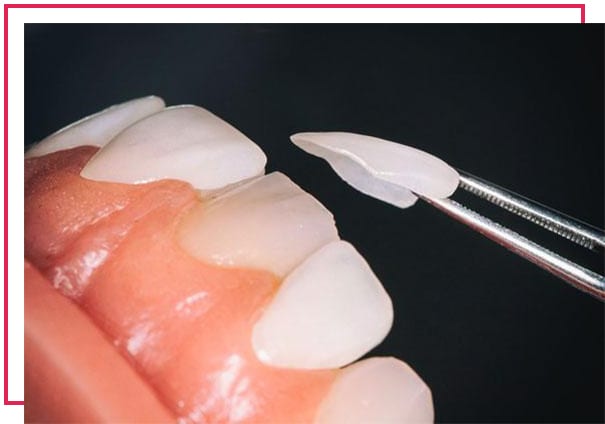
Laminate veneers, also known as leaf porcelain or contact lens porcelain, are thin porcelain plates that are bonded to the tooth surface. Porcelain laminate veneers are a fast, aesthetic, and safe way to correct badly appearing front teeth. With this method, prominent and permanent stains, crooked, disproportionate, spaced, small, or structurally deformed teeth can be corrected.
In which cases is laminated veneer treatment applied?
- Tooth discoloration,
- Tooth alignment problems,
- (mild spacing, crowding, midline shifts)
- Tooth fractures,
- Wear on tooth surfaces,
- Aesthetic-disrupting old restorations,
- Dimensional and shape-related problems in teeth,
- Some tooth deficiencies,
- Smile problems,
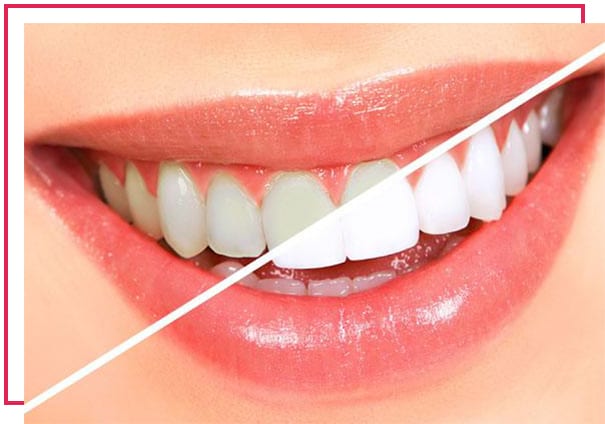
What is teeth whitening (Bleaching)?
Teeth whitening is the process of removing colored, organic, and inorganic substances that form in the porous enamel structure on the surface of the teeth through the use of teeth whitening gels.
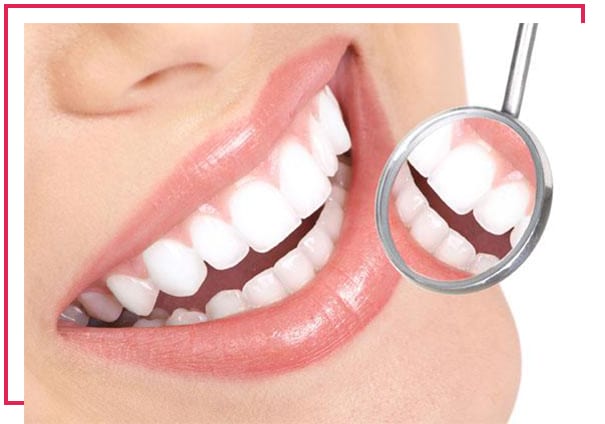
Why is teeth whitening needed?
Deformities in tooth shape and color cause psychological discomfort. Thanks to the development of aesthetic and restorative materials in dentistry, many color, shape, and positional irregularities can be easily corrected. Among these, the teeth whitening (bleaching) method is more economical, easier, and less troublesome compared to other restorative methods.
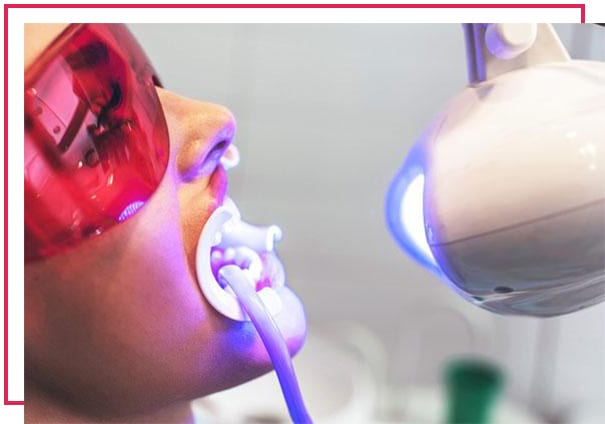
What are the methods of teeth whitening?
Office-Based Whitening (Office Bleaching)
Power Bleaching, performed in a clinical setting within an hour, is the fastest, most reliable, and effective whitening system consisting of a whitening gel and light, capable of lightening tooth color by 3-4 shades in a short time.
Home Whitening (Home Bleaching)
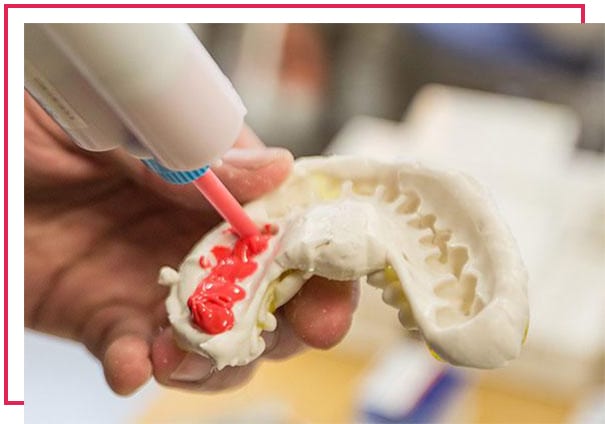
This is a whitening procedure that involves placing gels into custom-made plastic mouthguards based on a simple impression taken from the patient’s mouth. The desired whitening effect is typically achieved within 5-7 days. It should be worn for 4-8 hours a day. (may vary depending on color and gel).
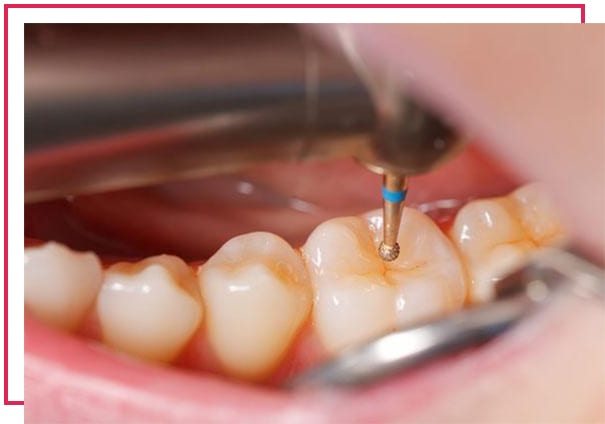
What is the aesthetic filling – bonding application?
These are aesthetic procedures performed using composite (white) fillings to restore decayed, worn, or broken teeth by altering their color, size, and shape. Bonding applications can also be referred to as tooth-friendly procedures since they involve minimal loss of tooth tissue. The composite filling material we use provides satisfactory results at an affordable price for our patients, as it offers low costs and a wide range of color options.
