


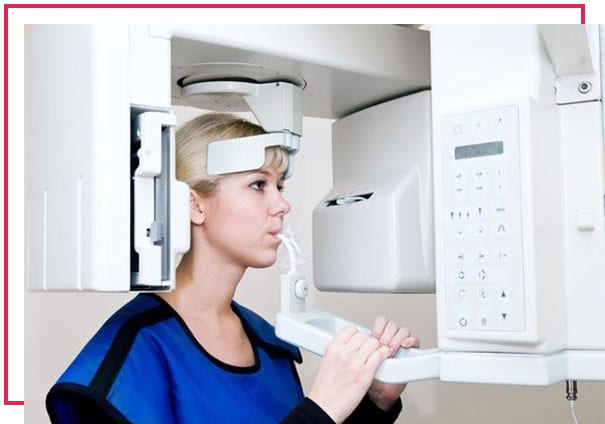
What is oral, dental, and maxillofacial radiology?
Oral and Maxillofacial Radiology is a branch of dentistry that diagnoses diseases of the oral, dental, and maxillofacial regions and determines the appropriate treatments clinically and radiologically. X-rays of the oral, dental, and maxillofacial regions are used to identify and evaluate any pathologies or anomalies. Based on this information, an individualized treatment plan is prepared, and patients are referred to clinics that provide these treatments.
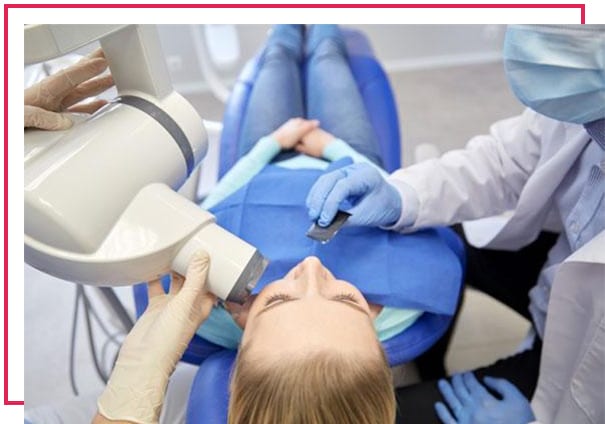
What types of X-rays are used in oral, dental, and maxillofacial radiology?
Dental radiographs, or dental X-rays, are our most important tool in diagnosing oral diseases, especially those involving hard tissues such as teeth and jawbone. The two most commonly used types of dental X-rays are periapical (small films showing 2-3 teeth) and panoramic (large films showing the entire jawbone). Digital radiography devices, a computer-assisted technique, allow for detailed evaluation by manipulating color and light on the film image using very low radiation doses. In addition, MRI and CT scans are considered necessary, especially in implant procedures and in the diagnosis of joint diseases.
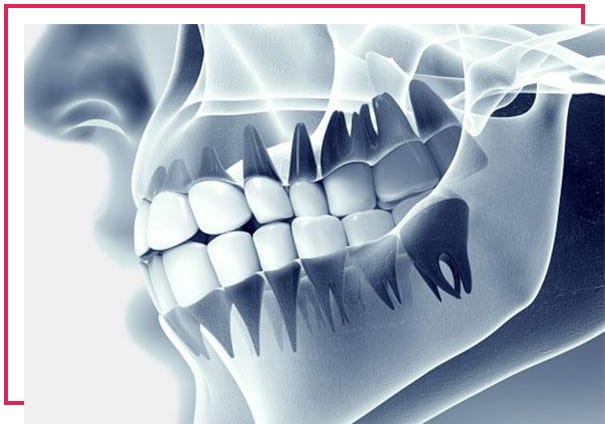
Why is oral, dental, and maxillofacial radiology important?
Oral diagnostic examination is not always limited to dentistry. Some oral symptoms can be indicative of systemic, general, and serious diseases. For example, bleeding gums can be a symptom of a dental syndrome, but it can also be a symptom of serious diseases such as leukemia. Oral cancers account for up to 5% of all cancers, and oral diagnostic examination is necessary for early detection.
