


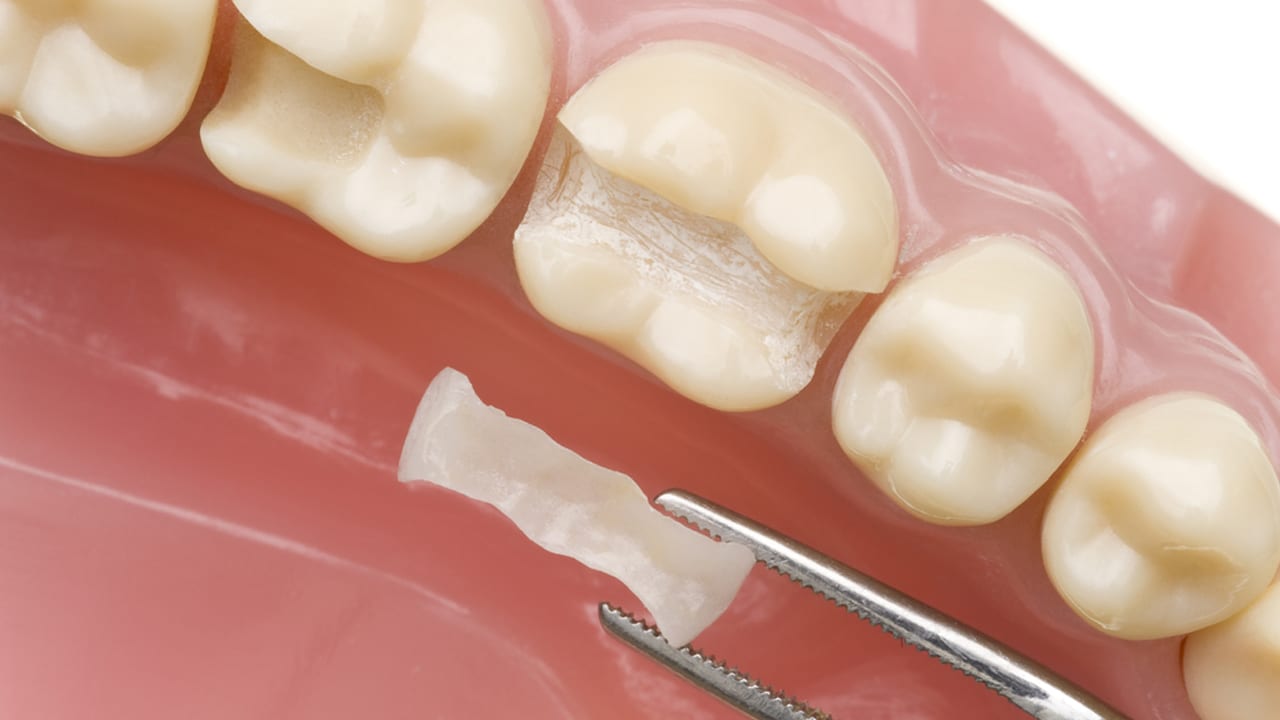
What is filler?
A filling is a method that restores a tooth or teeth damaged by decay to their former function and appearance. When your dentist performs a filling, they will first remove the decayed tooth tissue. They will clean the affected area and fill the cavity with filling material to prevent bacteria from re-entering and causing further decay.
Which medical specialty deals with filler treatments?
Patients who wish to have fillings treated can apply to the Department of Restorative Dentistry.
What materials are used in filler treatments?
With advancements in modern technology, many different materials are used in dental fillings. Generally, there are four main types of fillings: analgam fillings, composite fillings, gold fillings, and ionomer fillings. The doctor usually decides which type of filling to use.
Which filler is preferred for which areas?
If a patient has decayed teeth in the front of their mouth, composite fillings are generally preferred, but for teeth in the back, amalgam fillings are more commonly used.
How is a filler injection administered?
When your dentist decides on a filling, they will first remove the decayed tissue and clean any other affected areas. The cleaned cavity will then be filled with one of the materials mentioned above.
How do we know if we need fillers?
Your dentist will decide whether you need a filling. During your examination, your dentist can determine if your cavity needs filling. A small mirror is used during the examination. Anything that appears abnormal is checked with a special device. If necessary, your dentist may want to take an X-ray of a part of your mouth. The treatment chosen by your dentist varies depending on the extent of the damage caused by the cavity.
What is the best type of filler?
As mentioned above, the types of fillers vary depending on the treatment method chosen by the doctor. Let’s examine the different types of fillers.
Analgam filling: This filling material is prepared and used from a mixture of silver, zinc, copper, and mercury. Mercury makes up approximately 50% of this filling material. Analgam fillings are generally used for filling back teeth. It is a preferred method because it is somewhat cheaper.
What are the advantages of analgam fillings?
• It is more durable compared to other fillings.
• The filling is completed in a single session.
What are the disadvantages of analgam fillings?
Due to its darker color, it is incompatible with the tooth color and is therefore preferred for posterior (back) teeth.
To perform this filling, sound parts of the tooth must also be removed for placement.
It does not bond with the tooth.
It is not recommended for individuals with a mercury allergy and can be harmful to health.
Composite filling: This filling material consists of a mixture of very fine glass particles and plastic, and there are direct and indirect types. After taking measurements with the help of a camera, the filling material is prepared separately and then placed in the desired location. It is most often preferred for the front teeth, which are most visible when smiling or speaking.
What are the advantages of composite fillings?
• Dolgu rengi diş renginden farklı değildir, mümkün olan en yakın doğal rengi verir.
• Dolgu işlemi tekrarlanan prosedürler yerine tek seansta tamamlanır.
• Bu dolgular dişle bütünleşir ve amalgam dolgulara göre daha dayanıklıdır.
Disadvantages of composite fillings
Since shrinkage occurs over time, it can lead to tooth decay.
Placing these fillings takes a longer amount of time.
Gold fillings: These are made by adding gold to other filling materials and can last for 7 years or even longer. They are more expensive than analgam and composite fillings. They are rust-resistant and durable against chewing. The fact that they are done in two stages, along with the high cost of labor and gold, increases the overall cost of this type of filling.
Glass ionomer: This is a filling material composed of a combination of acrylic and glass. It is more commonly preferred for front teeth and has a durability period of approximately 5 years. The advantage of this filling is that it prevents tooth decay thanks to the fluoride released by glass ionomers, and it is compatible with the tooth.
Glass carbomers: A type of dental filling containing nanoparticles that allows the tooth to have a self-repairing property. It does not offer the same color advantage as other fillings.
Porcelain fillings: These are a type of filling used for touch-ups and corrections to the edges of teeth. They can be made from gold, composite, or ceramic materials. Their lifespan varies depending on oral hygiene, the individual, and the materials used. The aim of this method is to repair the tooth. They are completed in a single session under laboratory conditions.
