


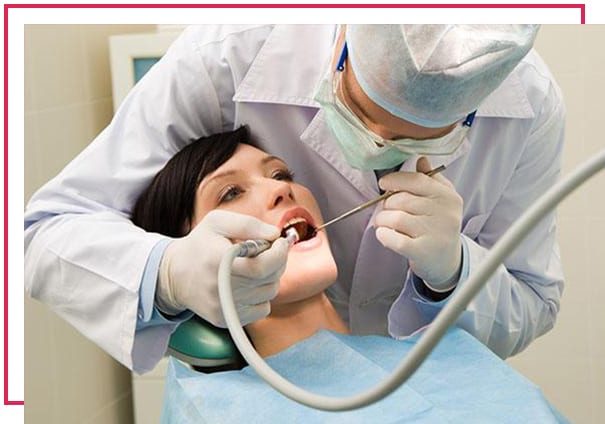
What is endodontics?
Endodontics is the main branch of dentistry concerned with the diagnosis and treatment of problems that have progressed to the living tissue (pulp) containing the tooth’s nerves and blood vessels, as well as problems related to the tissues surrounding the tooth.
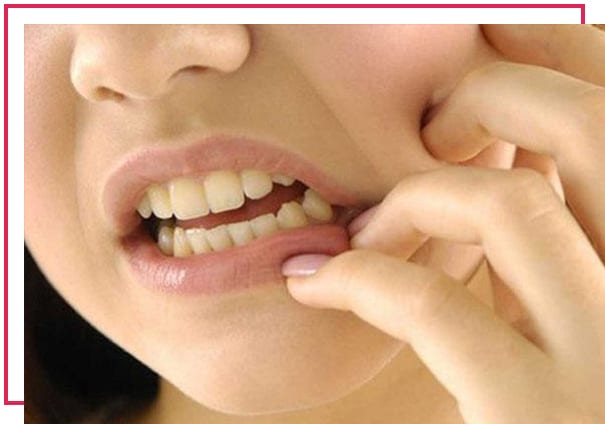
Why is endodontics important?
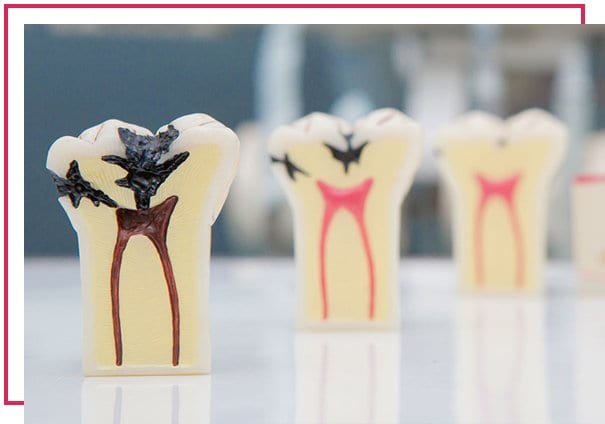
Everyone has bacteria in their oral cavity. Unless undesirable conditions arise, they don’t cause harm. These bacteria combine with many foods we eat, causing acids to form in our mouths. If we can’t remove these acids from our mouths, they damage the enamel and cause cavities. If enamel cavities are left untreated, they spread to the dentin layer beneath the enamel. Although the dentin layer warns us through pain, if the cavity is still left untreated, the microorganisms then move towards the pulp. At this point, the pulp activates various mechanisms to protect itself. One of these is to warn us through pain. But if we still don’t get our tooth treated, after a while the microorganisms damage the blood vessels and nerves within the pulp, causing inflammation.
What treatments does endodontics perform?
- Root canal treatment
- Endodontic surgical procedures
- Prevention of pulp diseases and treatment of vital pulp
- Differential diagnosis and treatment of oral and facial pain originating from pulp and periapical tissue
- Retreatment of root canal treatment in case of endodontic failure
- Whitening of endodontically treated teeth
- Treatment of teeth that have suffered dental trauma
- Endodontic treatments supporting prosthetic, periodontal and orthodontic treatments
- Post placement in the root canal space for coronal restorations
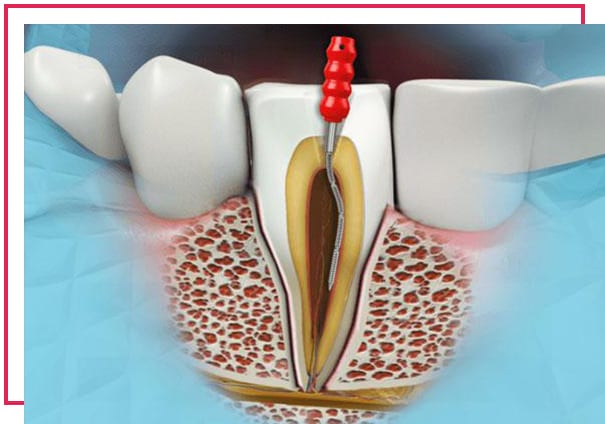
What causes inflammation in the pulp?
Bacteria combine with many of the foods we eat, causing acids to form in our mouths. If we neglect oral hygiene, these acids damage tooth enamel, leading to cavities. If enamel cavities are left untreated, they spread to the dentin layer beneath the enamel. Although the dentin layer warns us through pain, if the cavity remains untreated, microorganisms then move towards the pulp. At this point, the pulp also warns us through pain to protect itself. However, if we still don’t get our tooth treated, after a while, microorganisms damage the blood vessels and nerves within the pulp, causing inflammation. Another way for pulp inflammation to occur is through trauma. A blow to the tooth can sever the blood vessels and nerves entering the root from the root tip, thus causing the tooth to lose its vitality. The addition of microorganisms to this situation leads to pulp inflammation. Another way for the pulp to become infected is the presence of long-term periodontal disease (gum and surrounding tissue disease) around the tooth.
What is the treatment process?
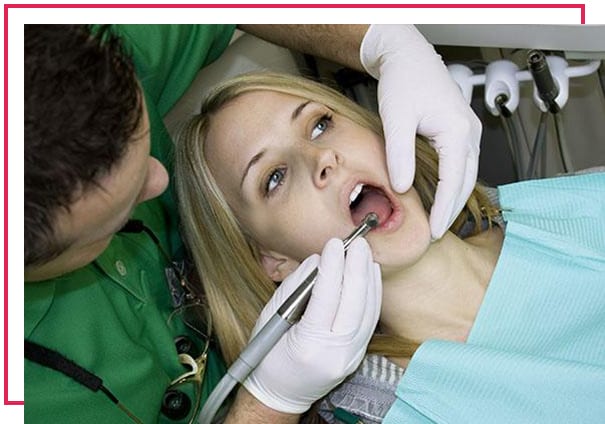
Radiography to identify the problematic tooth. • If the tooth is vital, local anesthesia is administered to eliminate sensitivity in the tooth and surrounding tissues. • Cleaning the decay in the enamel and dentin layers of the tooth to create space to reach the pulp. • Isolating the tooth by placing a rubber dam. • Determining the working length using electronic instruments and confirming it with radiography. • Using rotary instrument systems to eliminate and remove infected dentin layers and microorganisms within the root canal. • Eliminating microorganisms with various root canal disinfectants while using rotary instrument systems in root canals. • If the tooth is not vital, a root canal antiseptic is placed in the root canal and left for a certain period of time before filling the root canals at the next appointment.

What is the success rate?
After root canal treatment, the aim is to sever the connection between the tooth and the surrounding tissues to prevent infection from recurring and to repair any damage that may have occurred in the surrounding tissues. Root canal treatment is performed under local anesthesia and is painless. Following root canal treatment, especially after treatment of vital teeth, there may be a tolerable pain in the tooth for a few days, or pain when pressure is applied to the tooth. This is a normal pain that occurs after root canal treatment. With some care of the treated tooth, it disappears in a short time. Today, the success rate of root canal treatments performed using the correct method reaches 90%.
What is root canal treatment?
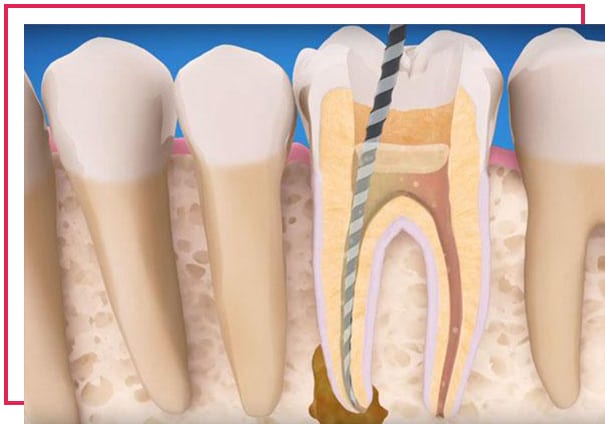
Root canal treatment is a treatment method applied when the nerve (pulp) inside the tooth is damaged or dies beyond repair due to reasons such as decay or trauma. The tooth remaining in the mouth after root canal treatment will continue to function as your own tooth, even though it is dead, thus helping with chewing. This will keep the bone in that area active and prevent bone loss in the jaw.
What is Laser Root Canal Treatment?
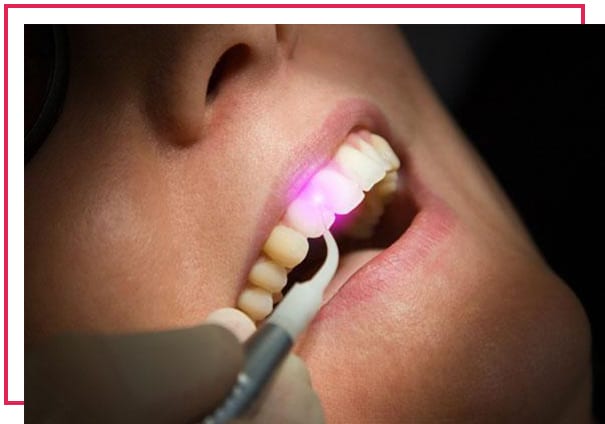
A laser is a linearly moving beam of concentrated energy produced by an electromagnetic light amplifier. In dentistry, this energy is used to break down tissue by vaporizing water molecules within it. Laser surgery can be performed without bleeding. Anesthesia is not required for minor procedures. It saves time both during the operation and the recovery period.
