


What is root canal treatment?
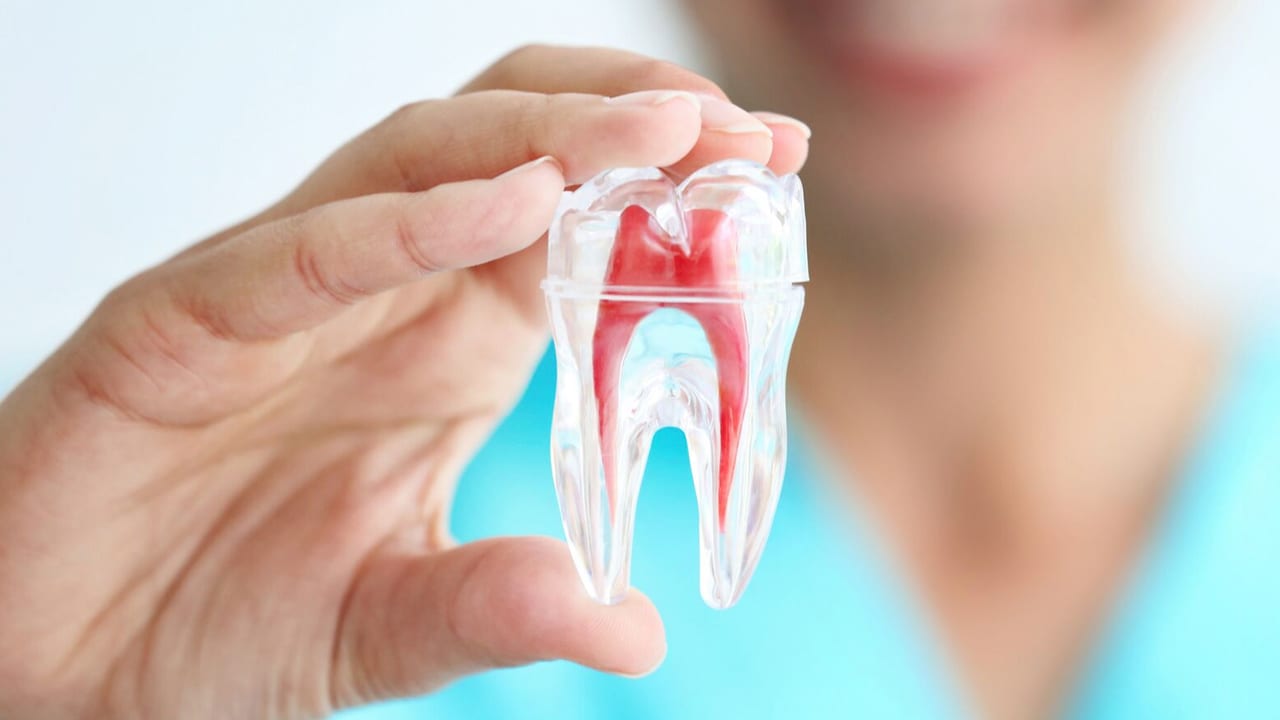
Root canal treatment is a treatment method applied when the nerve, or pulp, is damaged beyond repair. The pulp can be defined as the innermost tissue of the tooth, responsible for its development, nutrition, defense, and vitality. Fractured teeth or deep cavities often cause inflammation of the pulp. If the damaged or inflamed nerve is not removed, it can cause infection in the tooth and surrounding tissues, leading to serious problems such as tooth loss. After the pulp tissue, or nerve, is removed, the canal space needs to be cleaned, shaped, and filled with root canal materials. This entire process is defined as root canal treatment.
Which medical specialty deals with root canal treatment?
Root canal treatments are performed by endodontists, a major branch of dentistry.
What are the conditions that require root canal treatment?
Spontaneous and long-lasting toothaches
Pain that does not subside at night, even after using pain relievers
Prolonged pain triggered by external factors such as contact with the tooth, or hot and cold temperatures
Swelling observed in the gums, around the tooth, or in the related lymph nodes
Fistula formation resulting from an infection of the tooth or discoloration of the tooth
What is the difference between root canal filling and dental filling?
Root canal filling, which is the process of filling the root after cleaning the root nerve, is treated in the endodontics department, while filling, which is the restoration of the visible part of the tooth according to the damage in the mouth, is examined by the restorative dentistry department.
Does a tooth need to be extracted if it becomes infected?
Thanks to advancements in materials and techniques used in root canal treatment, the vast majority of abscesses at the root tips can be treated, thus eliminating the need for tooth extraction.
How is root canal treatment performed?
Root canal treatment is usually completed within an hour, and the treatment process is as follows:
Step 1: Anesthesia is applied to the tooth to ensure no pain is felt during the initial stage.
Step 2: The decayed tooth is cleaned, the inflamed nerve (pulp) is removed, and any remaining nerve debris is cleared away.
Step 3: The canals are shaped and widened, then irrigated with specialized solutions.
Step 4: If the treatment requires more than one session, medication is placed within the canals to accelerate healing, and a temporary filling is applied.
Step 5: In the final step, the canals are filled up to the root tip with biocompatible filling materials.
What is laser root canal treatment?
Tooth roots taper towards the tip, meaning that even a small amount of pulp may remain. Laser root canal treatment, however, uses fiber optic cables or endodontic fiber tips to increase heat inside the canal, cleaning even the finest pulp remnants and increasing the success rate of the treatment. Laser treatment penetrates into the internal root structures that are inaccessible with classical treatment methods and exhibits an antibacterial effect on microorganisms trapped deep within.
Do teeth become fragile after root canal treatment?
Since the stem cells that nourish your teeth will be removed after root canal treatment, your teeth will become more fragile; therefore, crowns may be preferred after root canal treatment.
Will the root canal treatment need to be repeated?
Unless there are advanced problems, the treatment is completed in a single session, and the success rate is around 90-95%. Therefore, there is no need to perform another procedure on the same tooth after root canal treatment.
