


What is pedodontics?
Pedodontics (Pediatric Dentistry) is a branch of dentistry that aims to protect the health of primary and permanent teeth in children aged 0-13 years, and to resolve problems caused by decay, trauma, genetic factors, and similar conditions affecting these teeth.
What treatments does pedodontics offer?
- Preventive applications
- Dental care education for children
- Tooth cleaning
- Space maintainers
- Fissure sealant applications
- Fluoride applications
- Treatments specific to children
- Cavity treatments
- Fracture treatments
- Treatments for tooth displacement or complete tooth loss
- Tooth extraction treatments

When do baby teeth start to erupt?
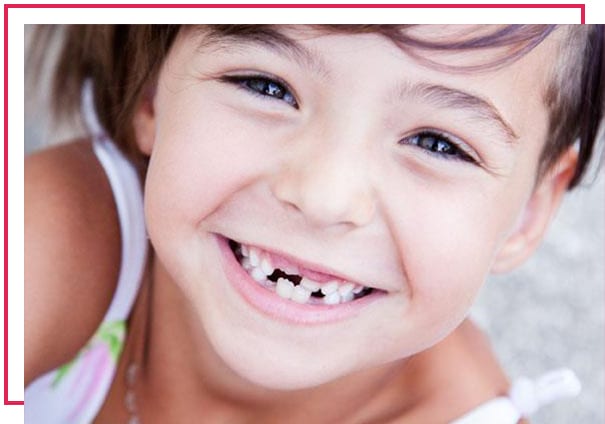
Baby teeth begin to erupt around 6-8 months of age and by approximately 2.5 years (30 months), there are 20 teeth in total, located in both the upper and lower jaws. Around 6-7 years of age, the roots of the baby teeth begin to dissolve as the permanent teeth located beneath them develop, and after a while, the baby teeth loosen and fall out or are extracted. All baby teeth are replaced by the age of 12.
What are the common symptoms in children while teeth?
During the continuation of primary teeth some general and regional changes are observed in infants. These are loss of appetite, weight loss, diarrhea, restlessness, increased saliva flow, itching and redness in the gums. There is no cure for the elimination of these findings. However, gel can be used externally to feed the baby comfortably and relief of the pain. In addition, some syrups can be used to resolve the itching.

When should the first visit to the dentist be?
Children should be taken to the dentist for check-ups after their first tooth erupts. After that, check-ups should be repeated every 6 months. The clinical examination of the child by the dentist consists of two stages.
Step 1: Extraoral Examination
During the head and face examination, the size, shape, and proportions of this region are observed.
Step 2: Intraoral Examination
This examination includes examining the teeth and soft tissues with the mouth open, as well as observations made while the teeth are in the occlusion position.

When should you start brushing your teeth?
Oral care should begin when the baby is 6-8 months old (i.e., when the first teeth appear). It is recommended to clean the teeth after breakfast in the morning and before bedtime using a clean, damp gauze or bandage. Toothbrushing should begin when the child’s back molars erupt (around 2.5-3 years old).
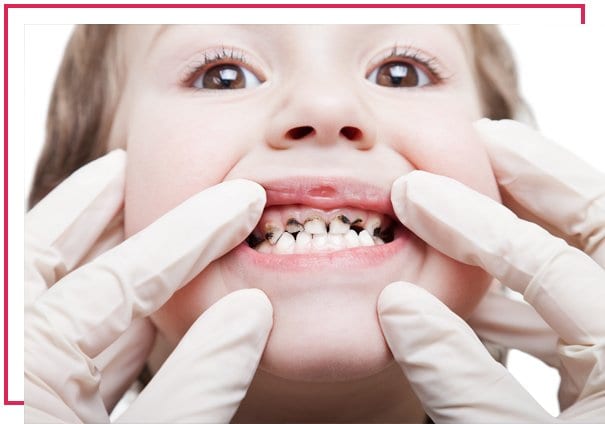
What precautions can be taken against tooth decay in children?
Currently, there is no medication available to cure or prevent tooth decay on its own. However, it is possible to reduce the formation of cavities and increase the resistance of teeth to decay through preventive measures. One of the primary methods is covering the teeth with a material called “fissure sealant.” Tooth decay usually begins in the grooves called “fissures” on the chewing surfaces of molars and premolars. By covering these grooves with the aforementioned material, the penetration of bacteria, food particles, and other substances into that area is prevented, thus preventing the onset of decay. This procedure is applied to both primary and permanent teeth. Another way to prevent decay is to increase the resistance of teeth to decay. This can be done with topical fluoride application; fluoride strengthens teeth and increases their resistance to decay.
Fluroid applications
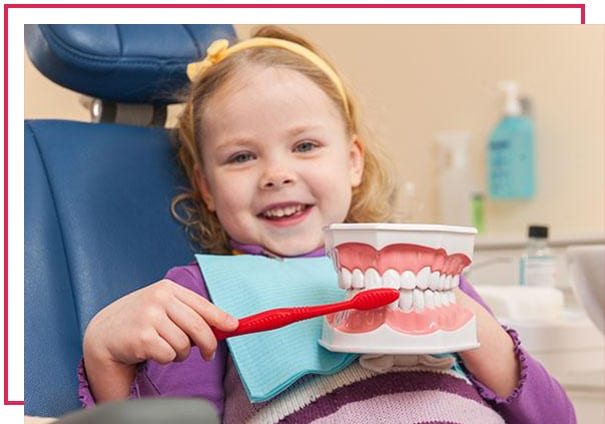
Fluoride is an element that prevents tooth decay and strengthens the structure of teeth. Fluoride is found in toothpaste as well as some foods. However, children often neglect brushing their teeth, so they don’t get enough fluoride to build up their tooth resistance to decay. To prevent this, “topical fluoride” applications are performed. Topical fluoride application is especially used in children whose teeth are prone to decay. In this way, a sufficient amount of fluoride is deposited on the teeth, strengthening their structure and providing resistance to decay.
Fissure sealant (dental coating) applications
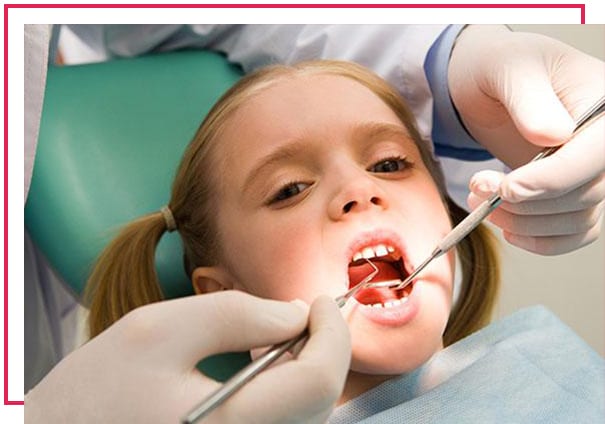
The chewing surfaces of teeth are uneven. These pits and bumps are called fissures. These areas are quite narrow, and because food gets trapped and cannot be cleaned, they are often where cavities begin. To prevent the accumulation of food and microorganisms in these areas and the resulting decay, a special flowable filling material is used. First, the area is thoroughly cleaned, and then a flowable filling material, which we call a fissure filling, is applied to this area.
